Biography

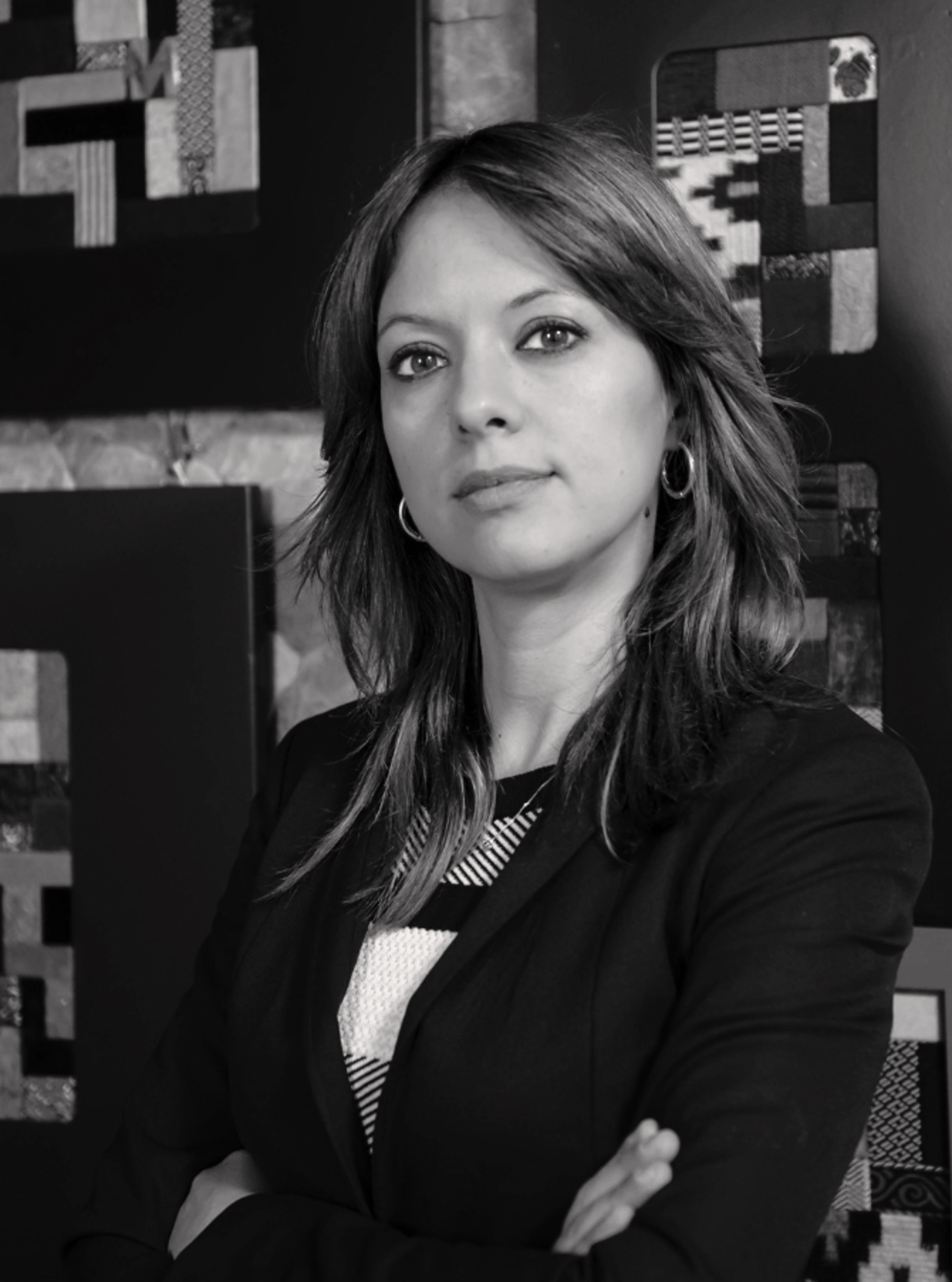
Born and based in Nule, a small Sardinian village of just 1,300 inhabitants and a historic center of the Art of Vertical Weaving, Valeria Masala has never moved away from her roots. Her practice is deeply intertwined with the place she comes from, where vertical-loom weaving is not only a craft but a living cultural language passed down through generations.

Valeria began her journey in 2015 through a weaving course created to bring younger generations closer to a tradition at risk of disappearing. Although the course was brief, it marked the beginning of a profound exploration. She became fascinated not only by the finished textile, but by what lies behind it: the preparation of the vertical loom, the hidden structures of the warp, and the disciplined gestures that give form to the fabric.

Growing within a small community proved to be a strength. Despite Nule’s modest size, Valeria was surrounded by people who believed in her path and supported her growth. Above all, it was the guidance of many women—experienced weavers and custodians of local knowledge—that helped her discover her own voice, refine her skills, and gain confidence within the Art of Vertical Weaving.

Her work did not begin with the intention of becoming a profession. Instead, it emerged from a desire to learn in order to preserve, reinterpret, and share this heritage. Over time, through independent research and experimentation, Valeria developed a personal visual language that translates the traditional Sardinian carpet into contemporary textile art.

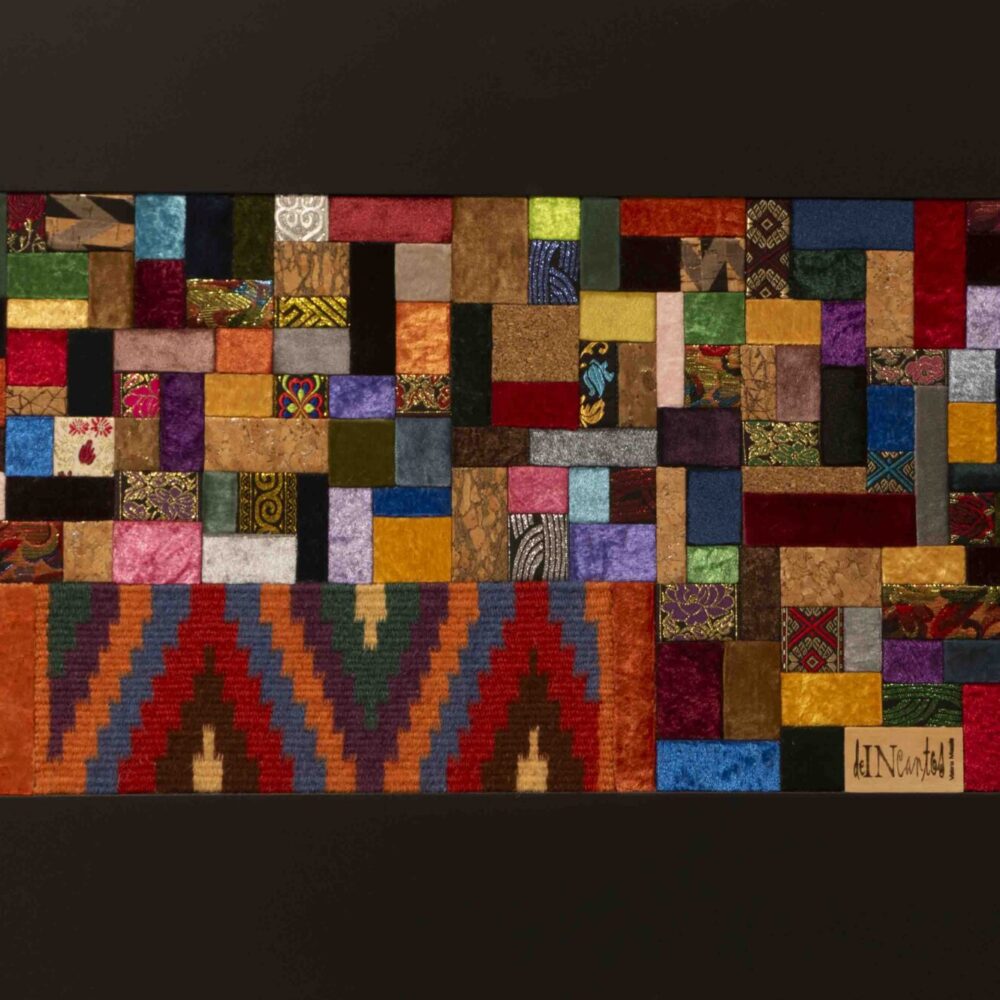
This journey gave rise to Deincantos, a name that brings together two Sardinian concepts: “de cantos” (made of pieces) and “incantos” (enchantments). It reflects the essence of her work: enchantments built from fragments, memory, and the living tradition of vertical weaving.

Technique & Process

Valeria works exclusively on a fully manual vertical loom, practicing the traditional flat-weave (stuoia) technique that defines the Art of Vertical Weaving in Nule. The loom she uses today was not passed down directly through her mother, but through a more intimate family lineage: it once belonged to her grandmother’s cousin, a detail that reflects the communal and extended nature of textile transmission within the village.

At the heart of her practice is the use of Sardinian sheep’s wool, a material deeply connected to the island’s pastoral culture. Working in Nule offers a rare advantage: the presence of a local textile company that processes raw wool and makes it readily available for artisans. This proximity allows Valeria to source her primary material locally and to maintain a direct relationship with the substance she weaves, from fiber to finished work.

Each piece begins with the careful preparation of the loom—a phase Valeria considers the true foundation of the work. Warp threads are positioned, counted, and structured entirely by hand, forming the hidden architecture that supports every color and pattern. The weft is passed alternately from left to right and from right to left, while the manual exchange of threads ensures that each passage is firmly anchored, creating a dense and compact textile.

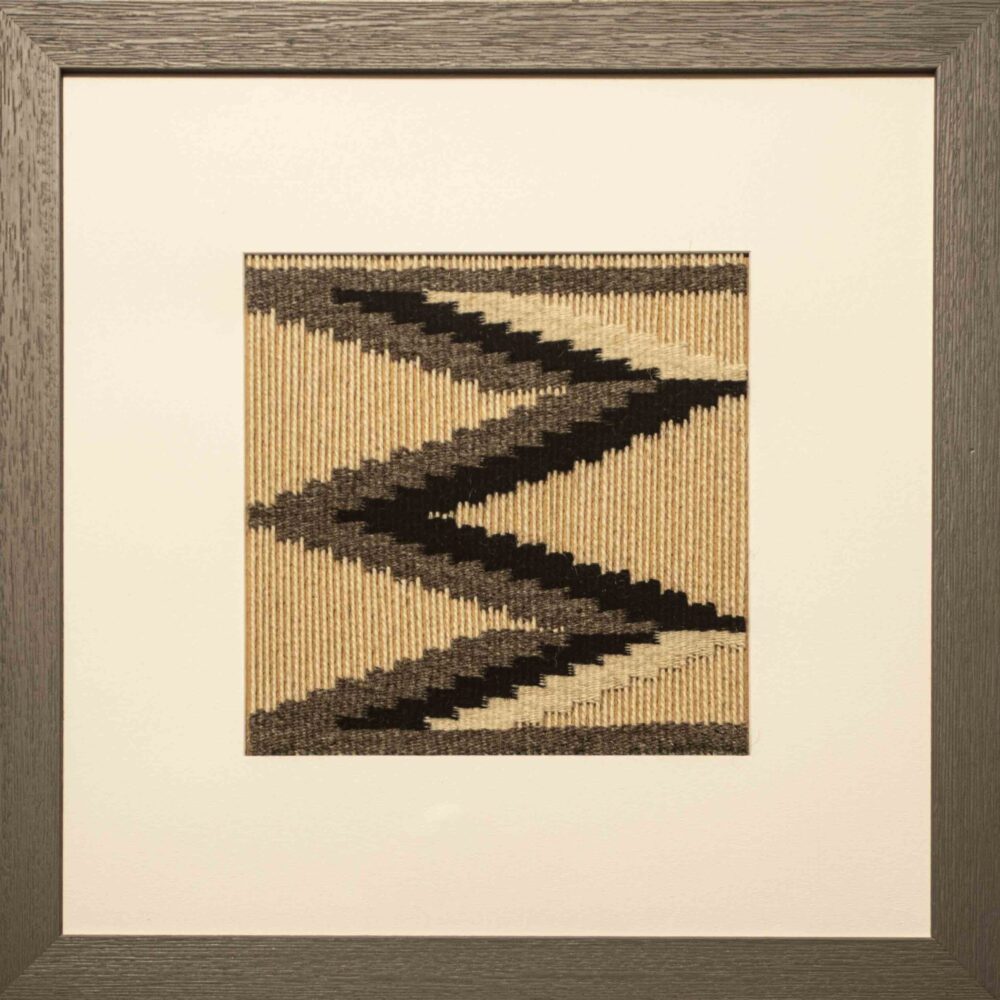
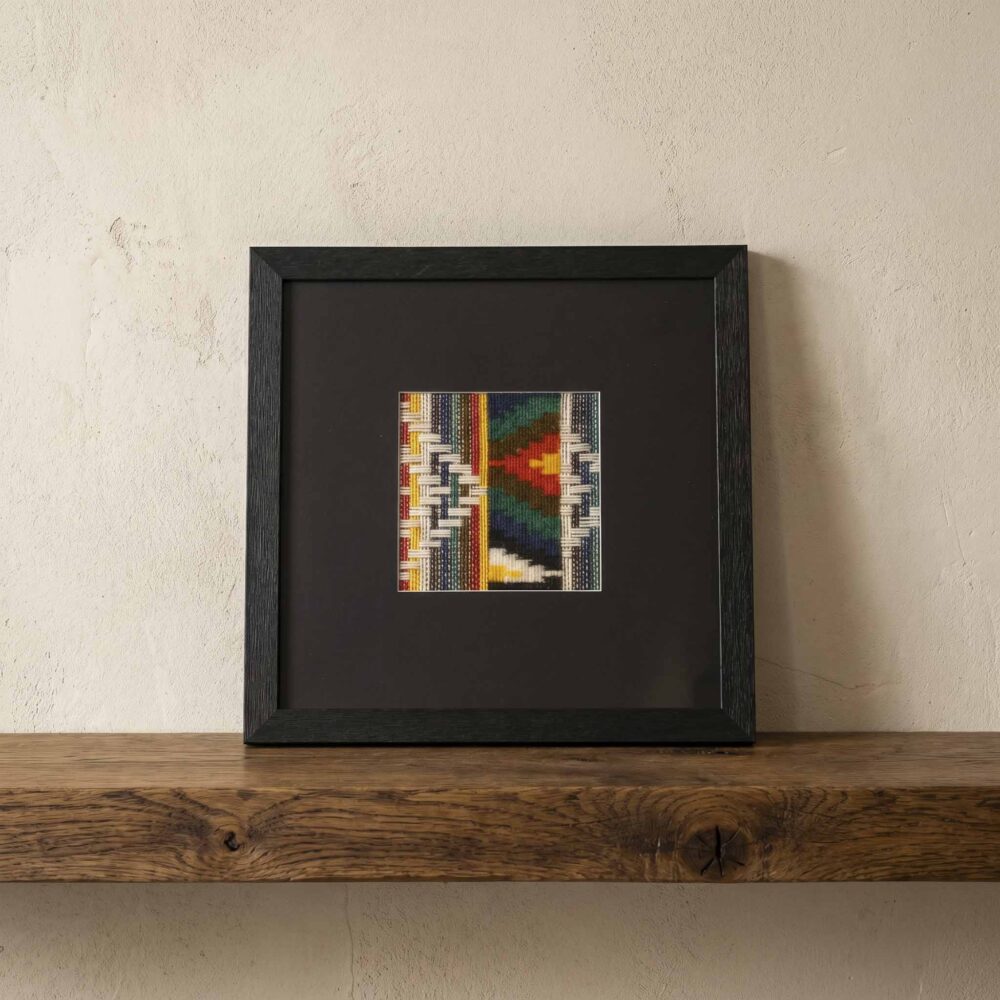
Rather than producing traditional carpets, Valeria transforms woven sections into textile artworks. In her Suspended Wefts series, the warp threads are intentionally left visible, revealing the internal structure of the textile and exposing what she describes as the “soul of the carpet.”

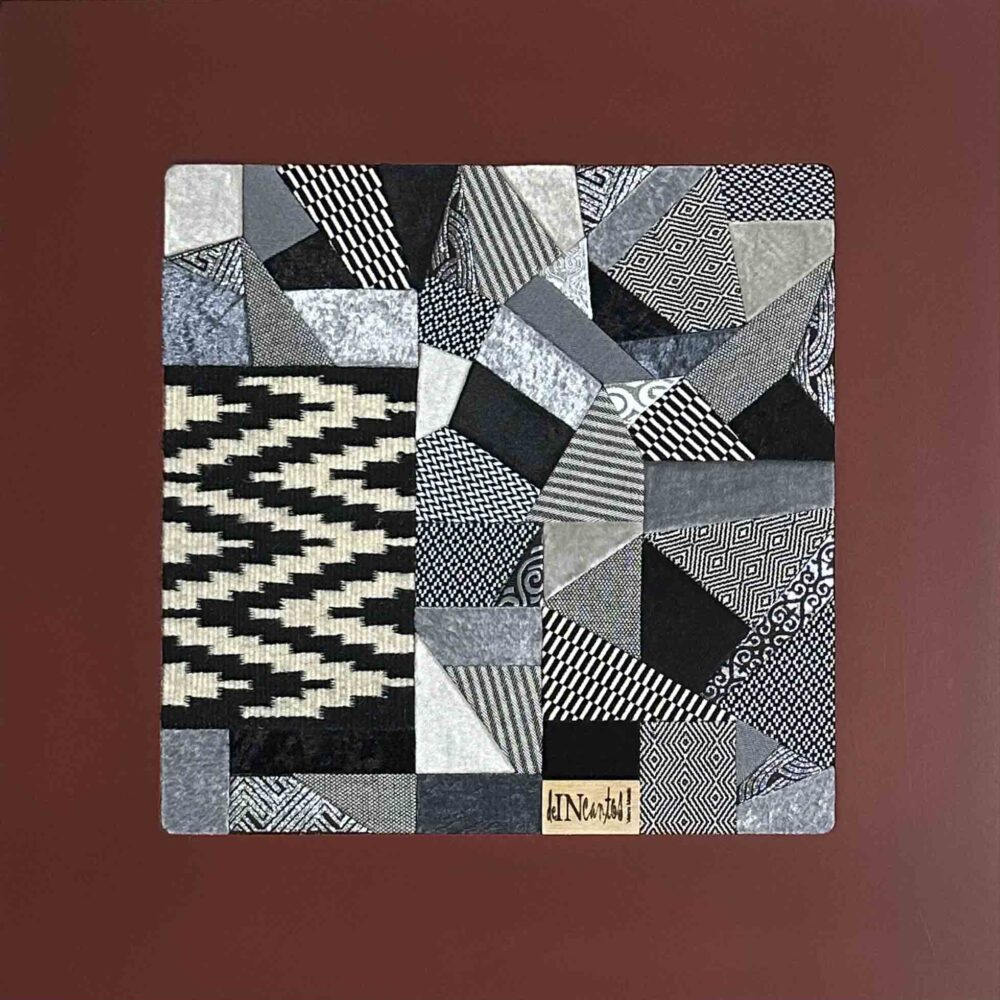
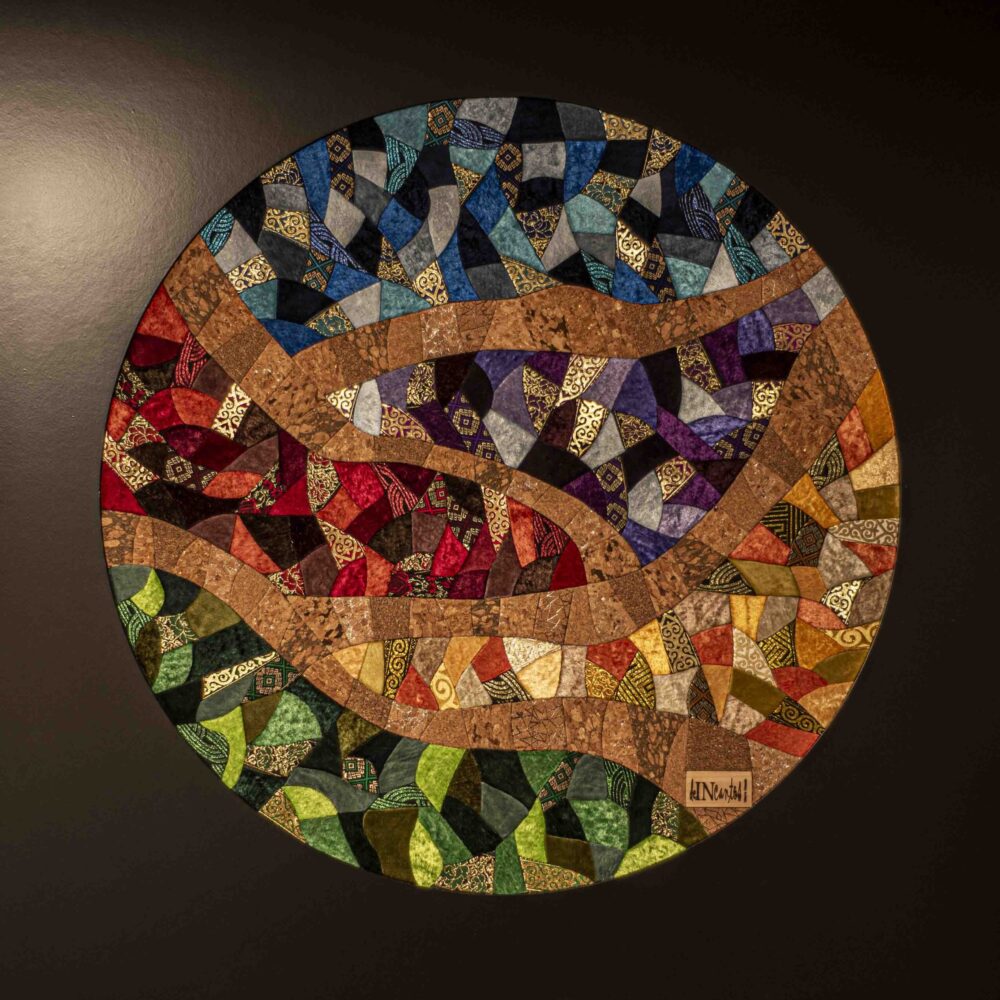
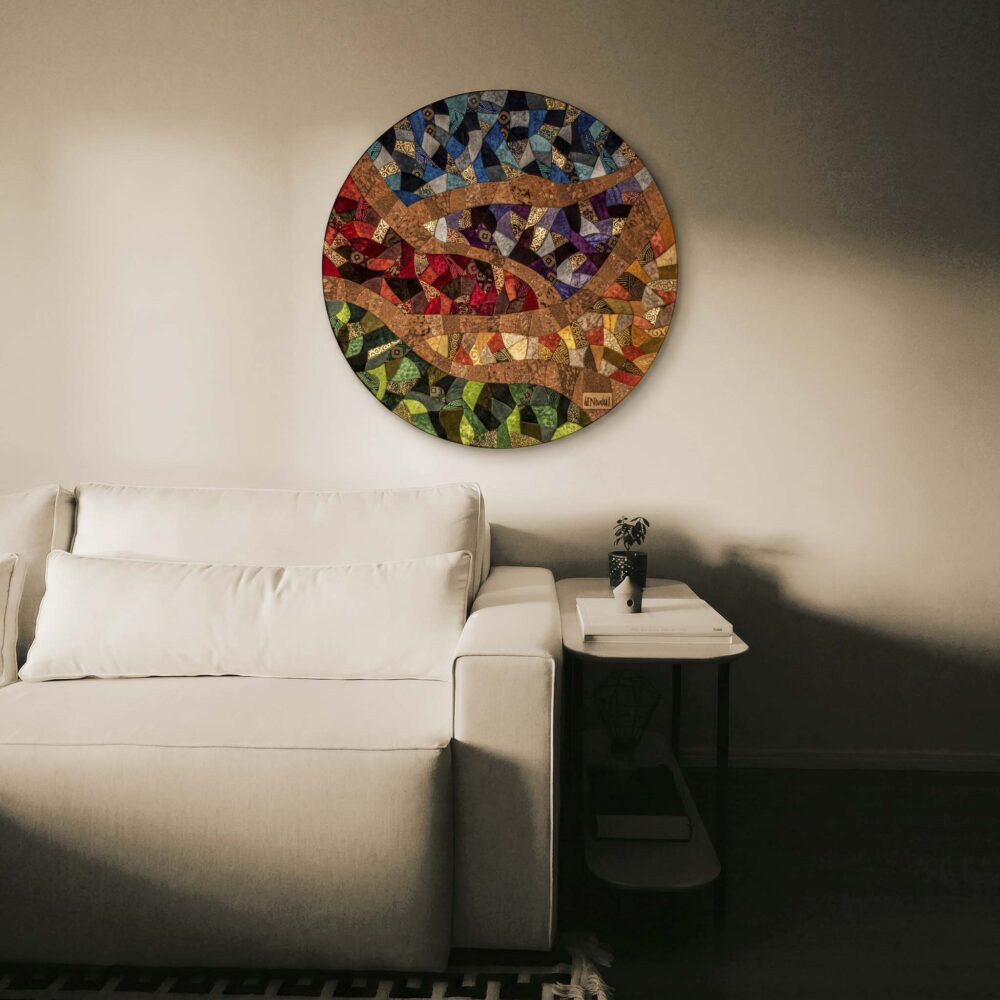
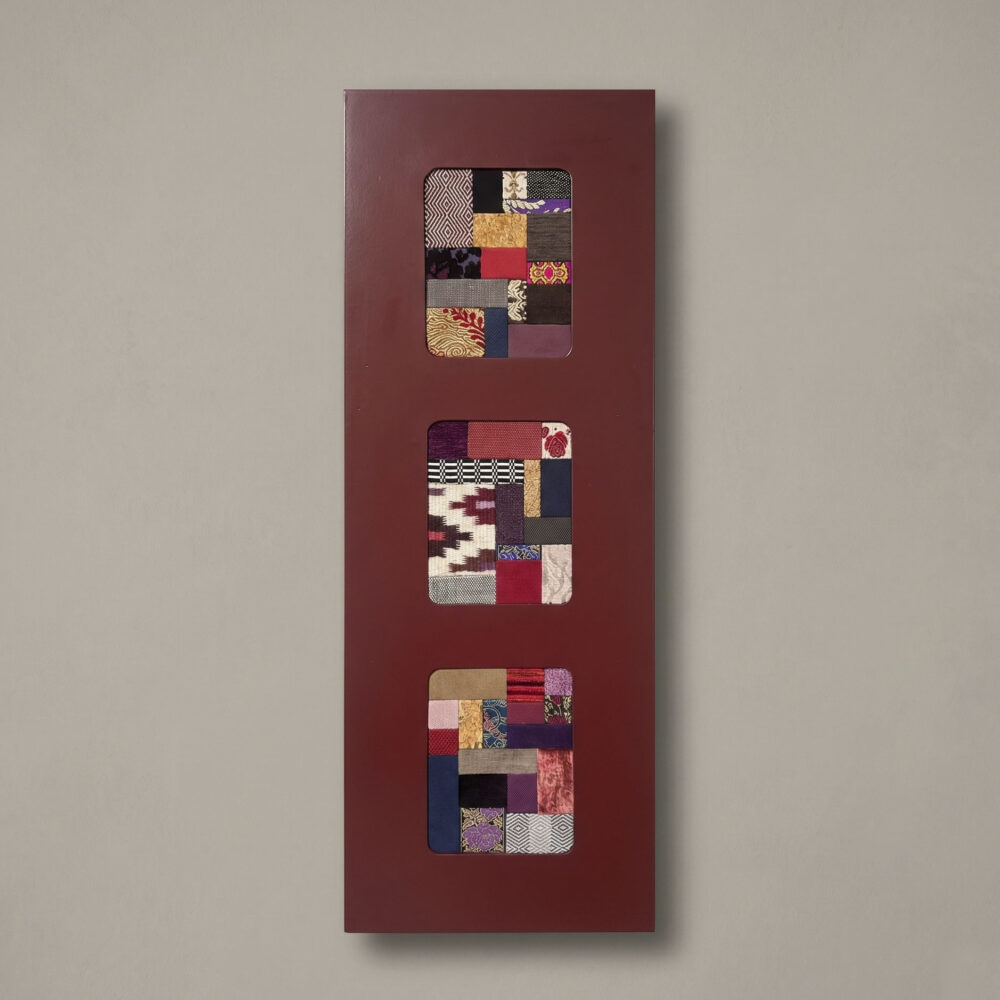
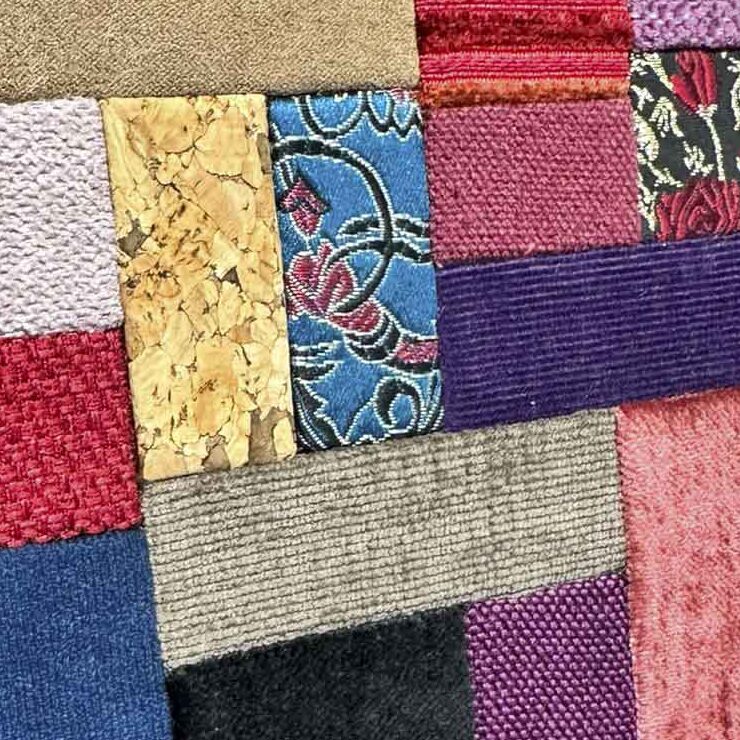
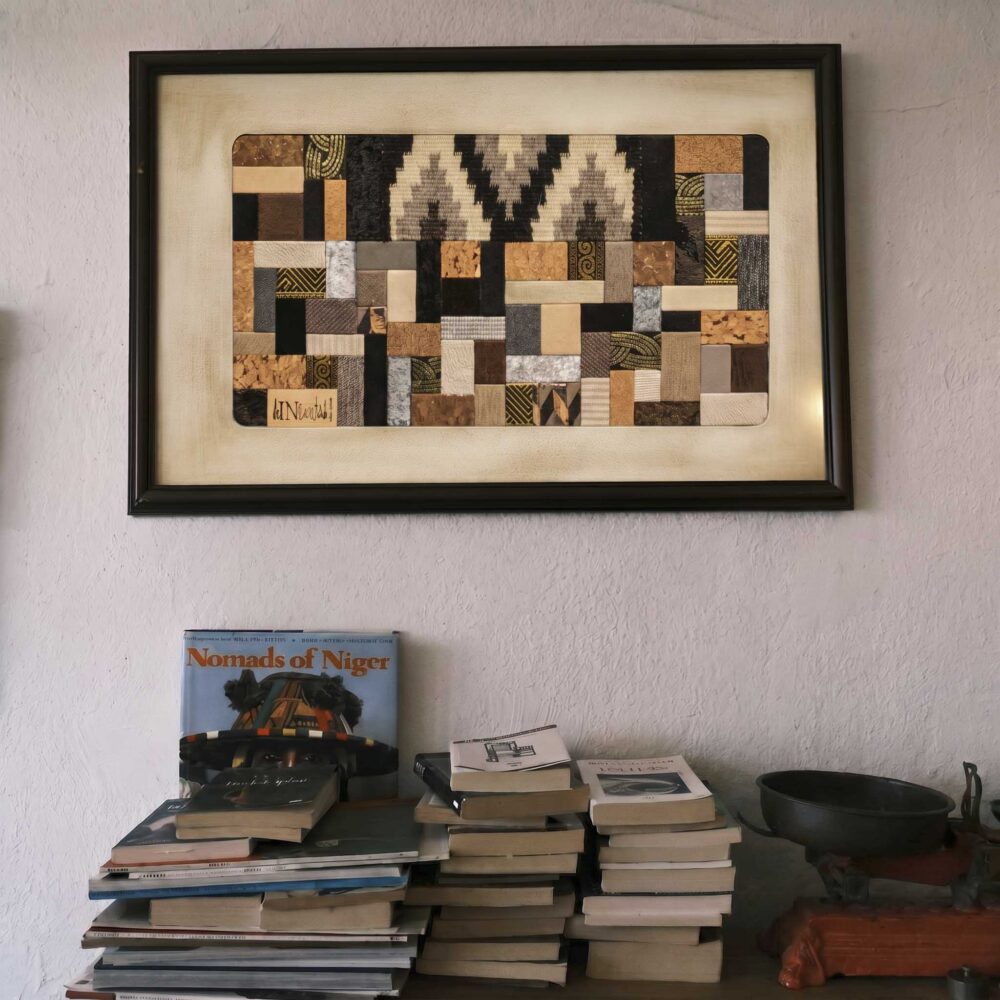
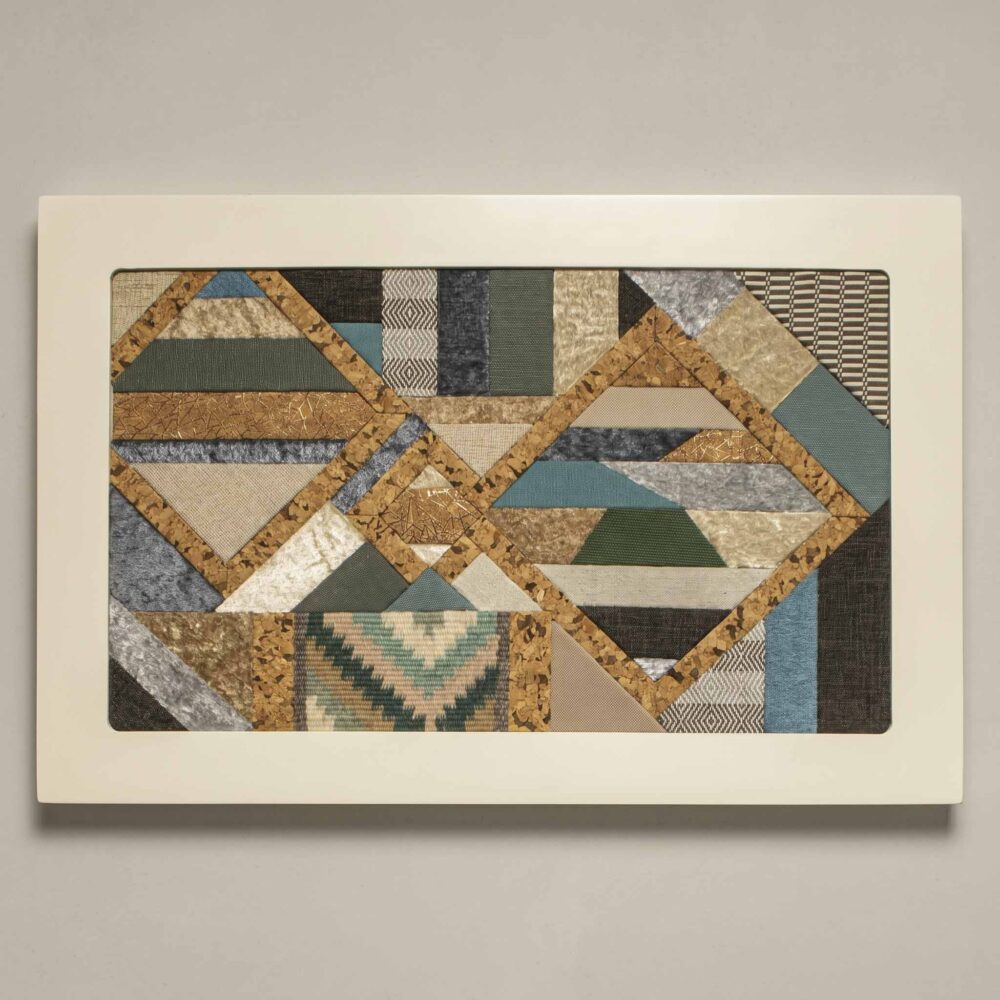
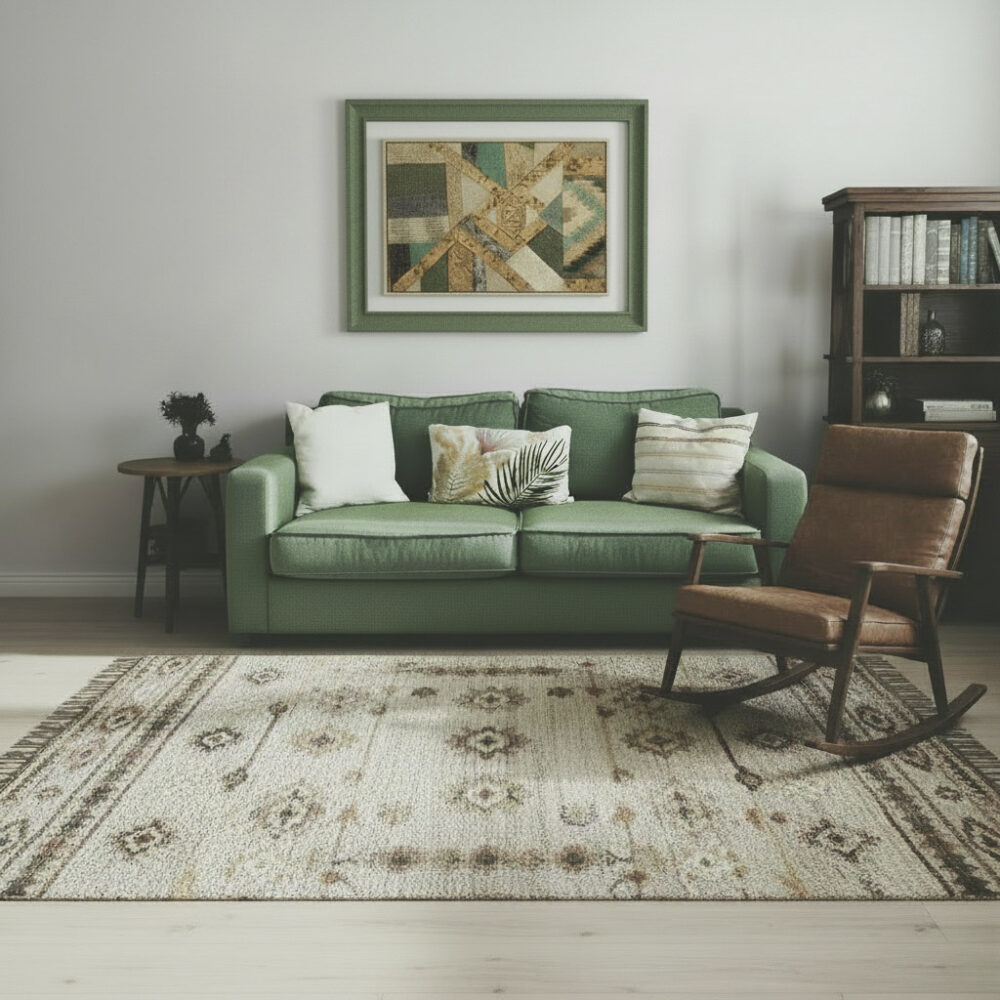
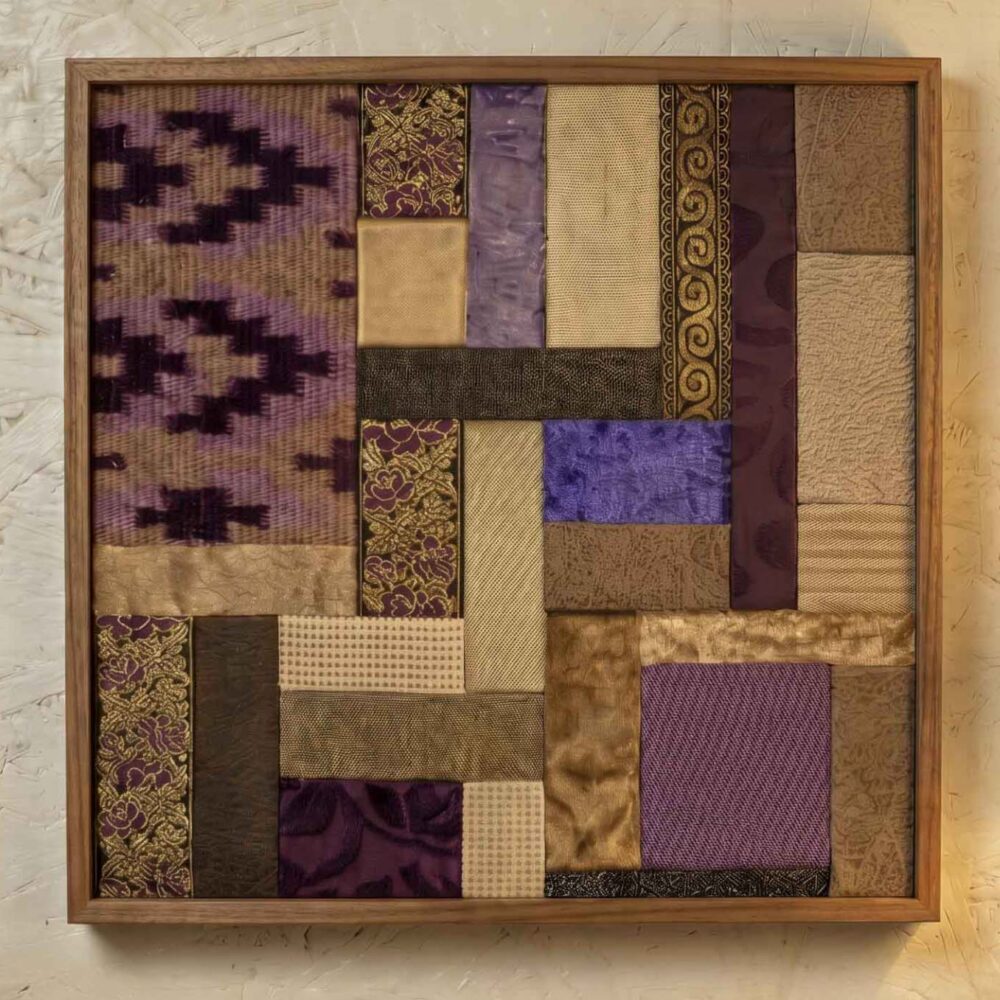
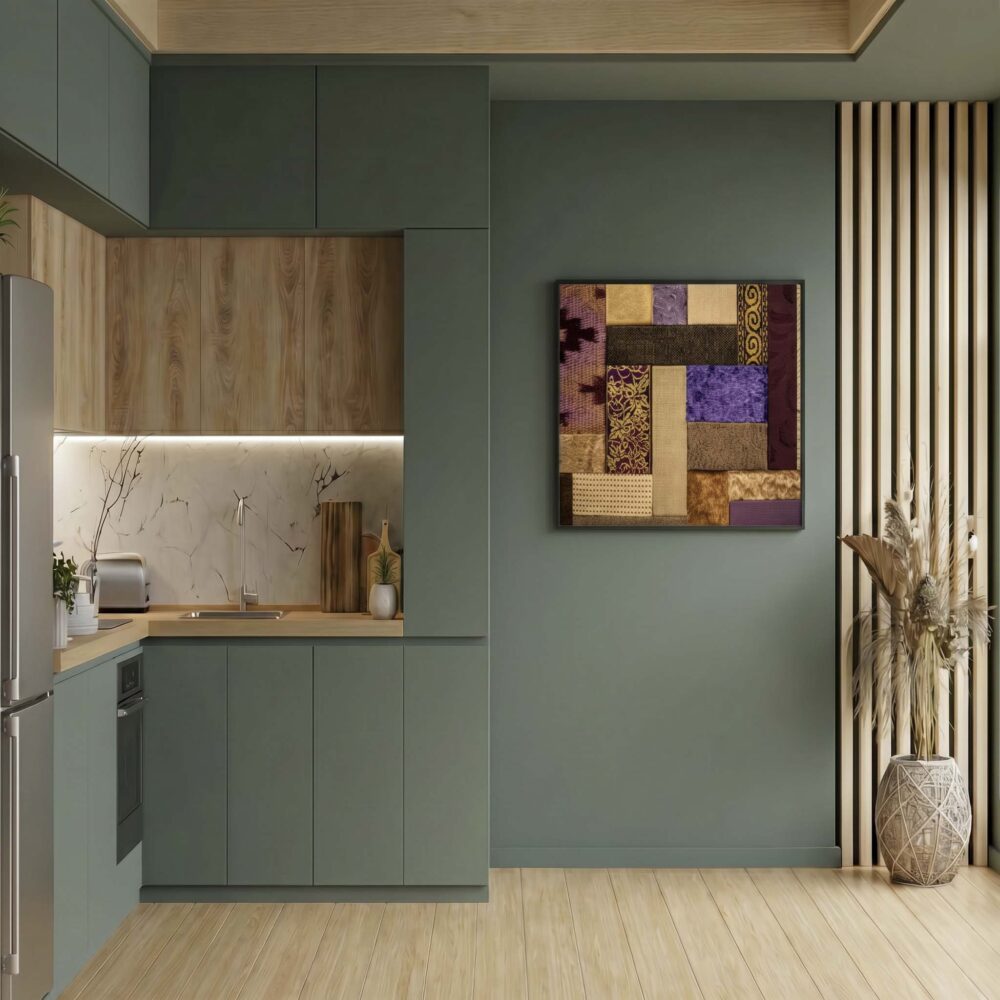
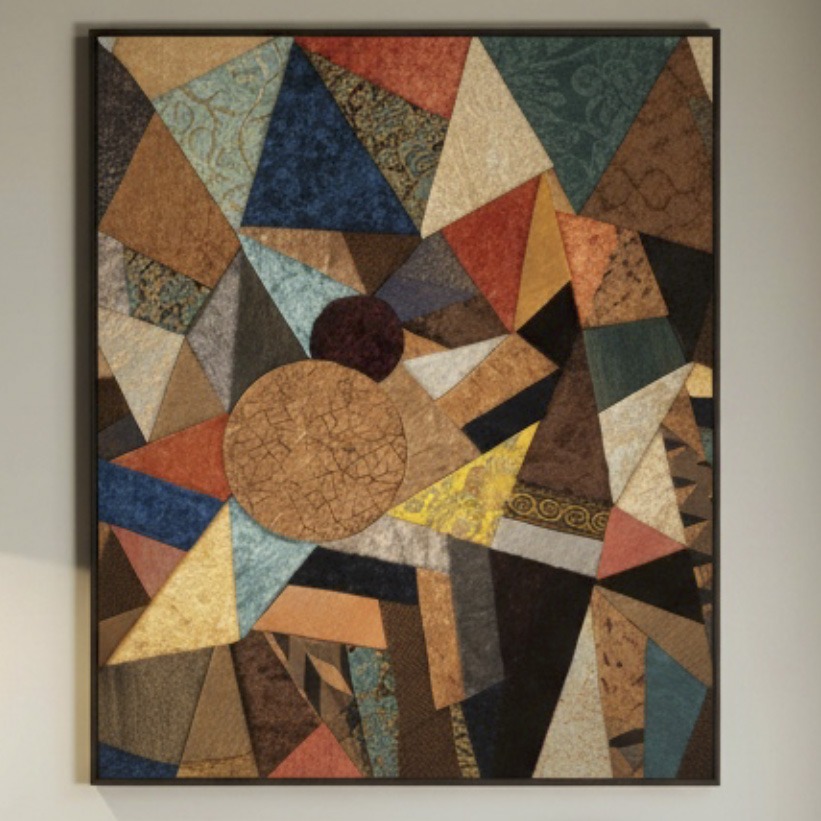
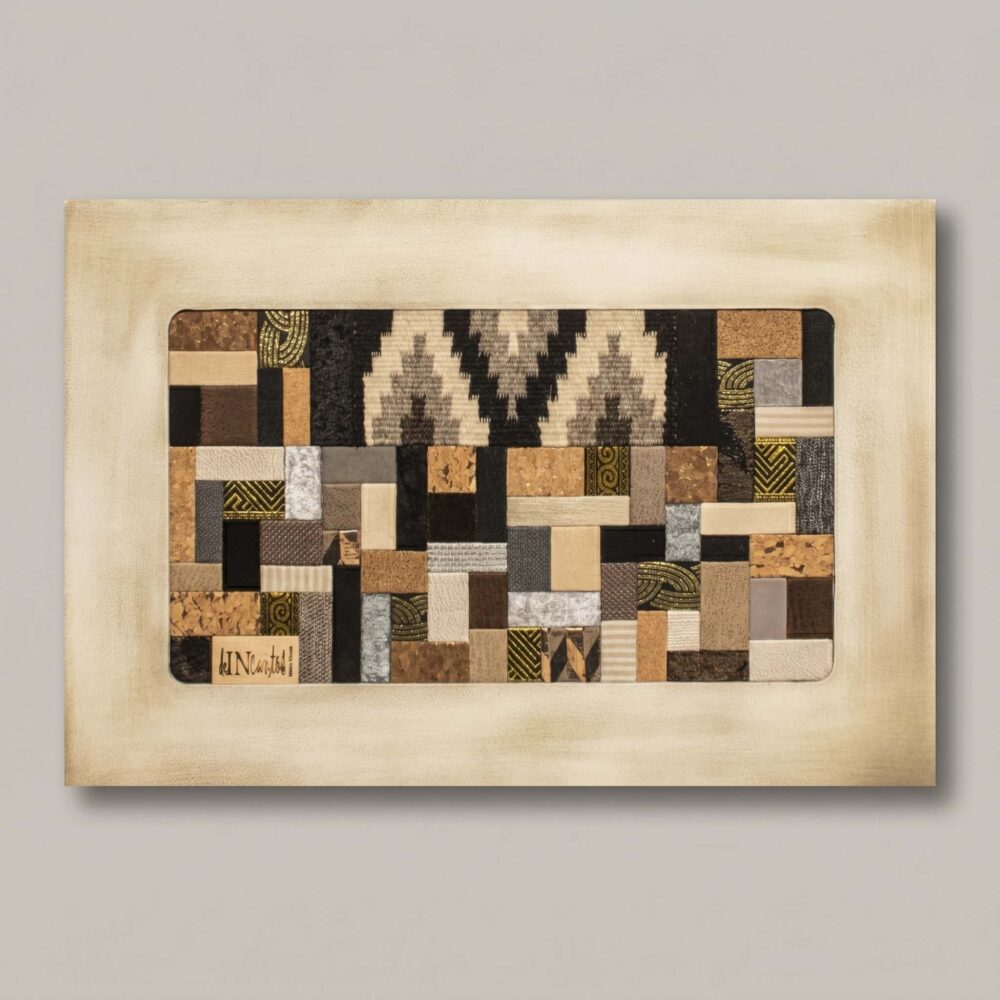
In her Tradition in Relief and Crossed Wefts works, Valeria expands the language of vertical weaving by integrating materials deeply rooted in Sardinian culture, such as velvet, brocade, and cork. Each work is conceived mentally rather than sketched on paper and developed in dialogue with the space it will inhabit. Colors and geometries are carefully studied—sometimes drawing from traditional Sardinian motifs, other times exploring new contrasts—always with the aim of carrying the Art of Vertical Weaving into a contemporary visual language.

Collections

Tradition in Relief

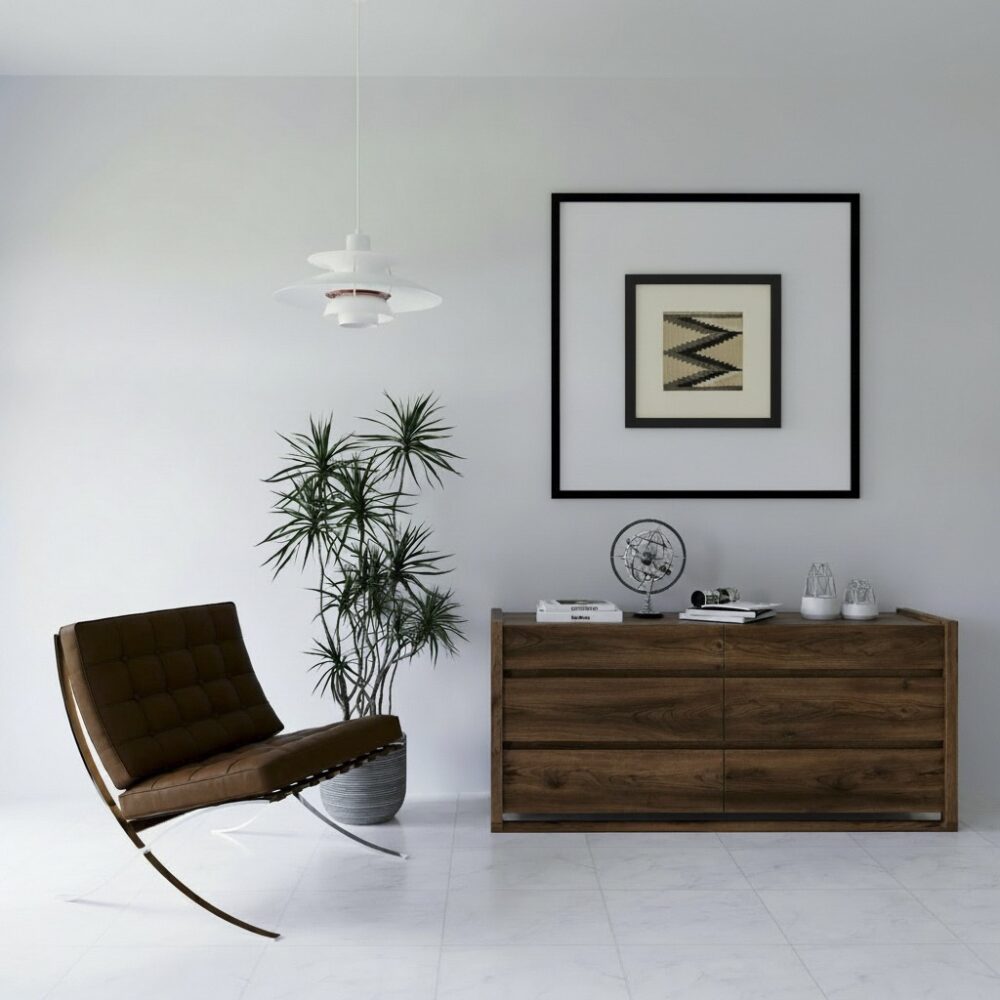
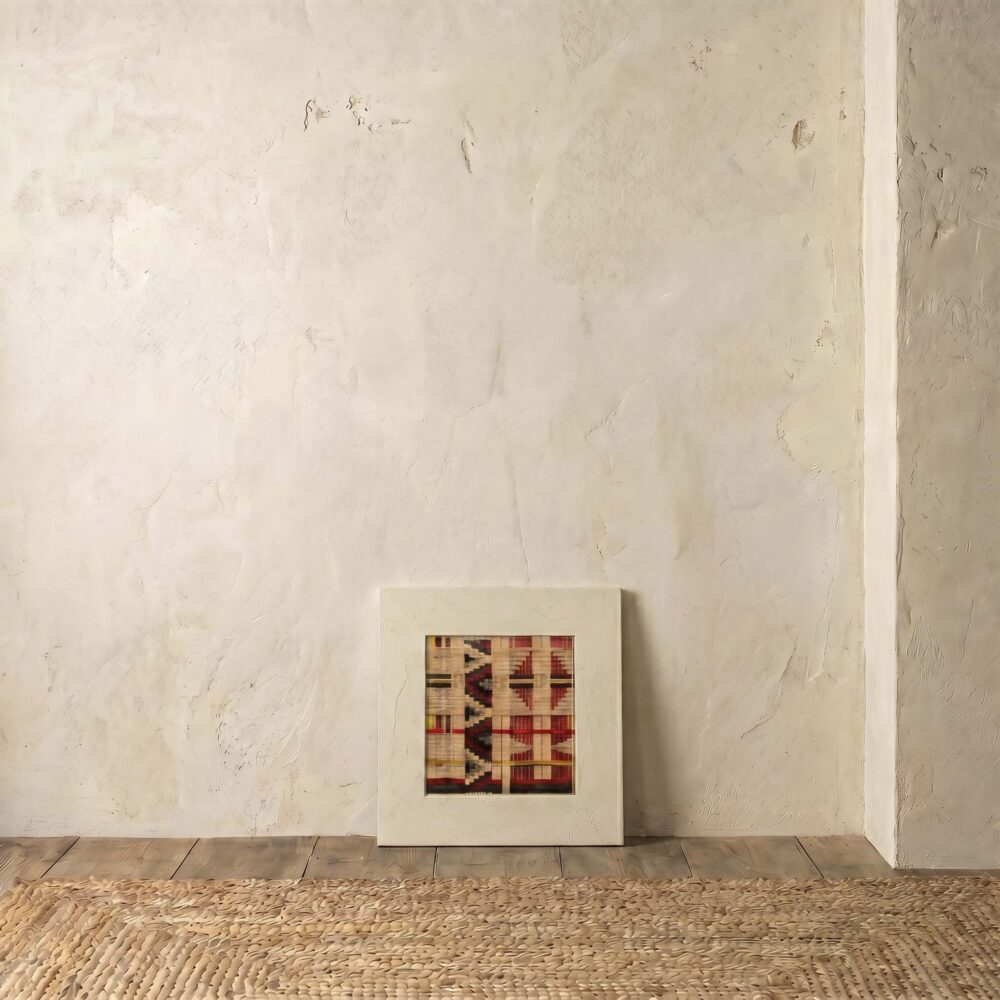
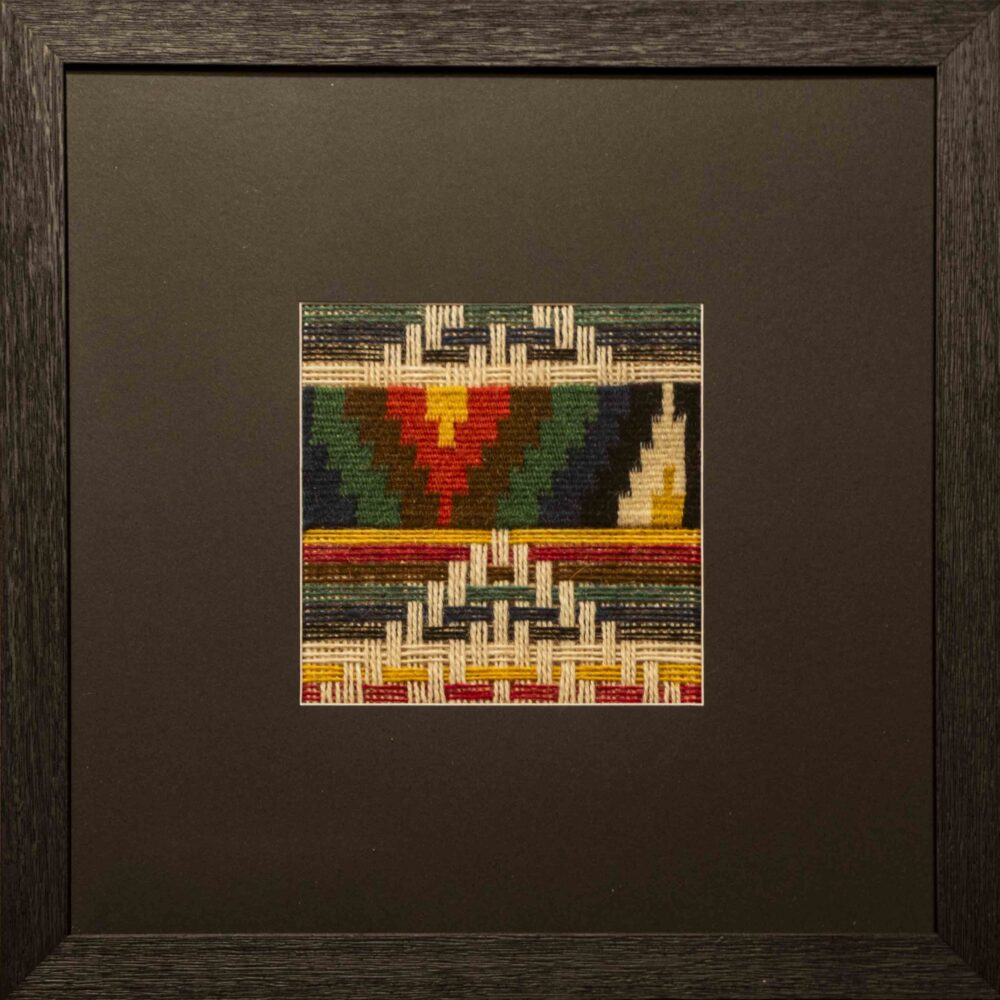
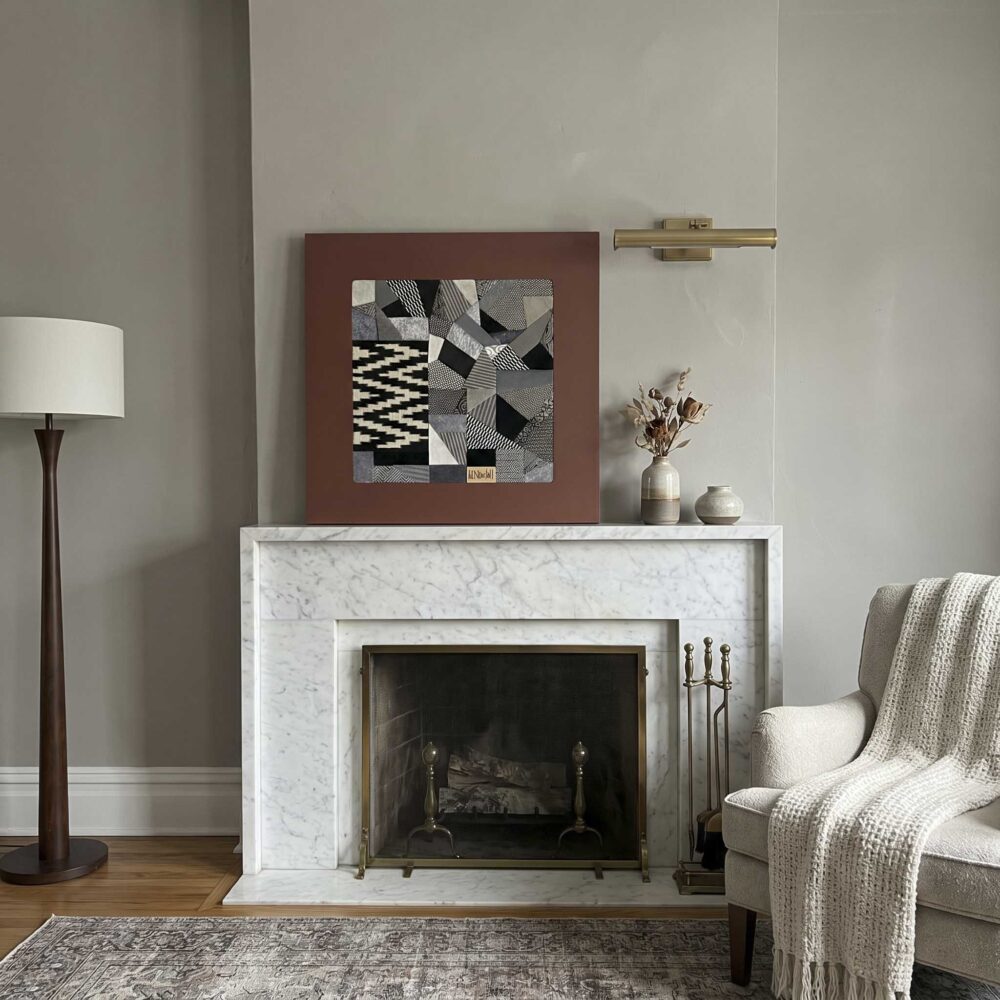
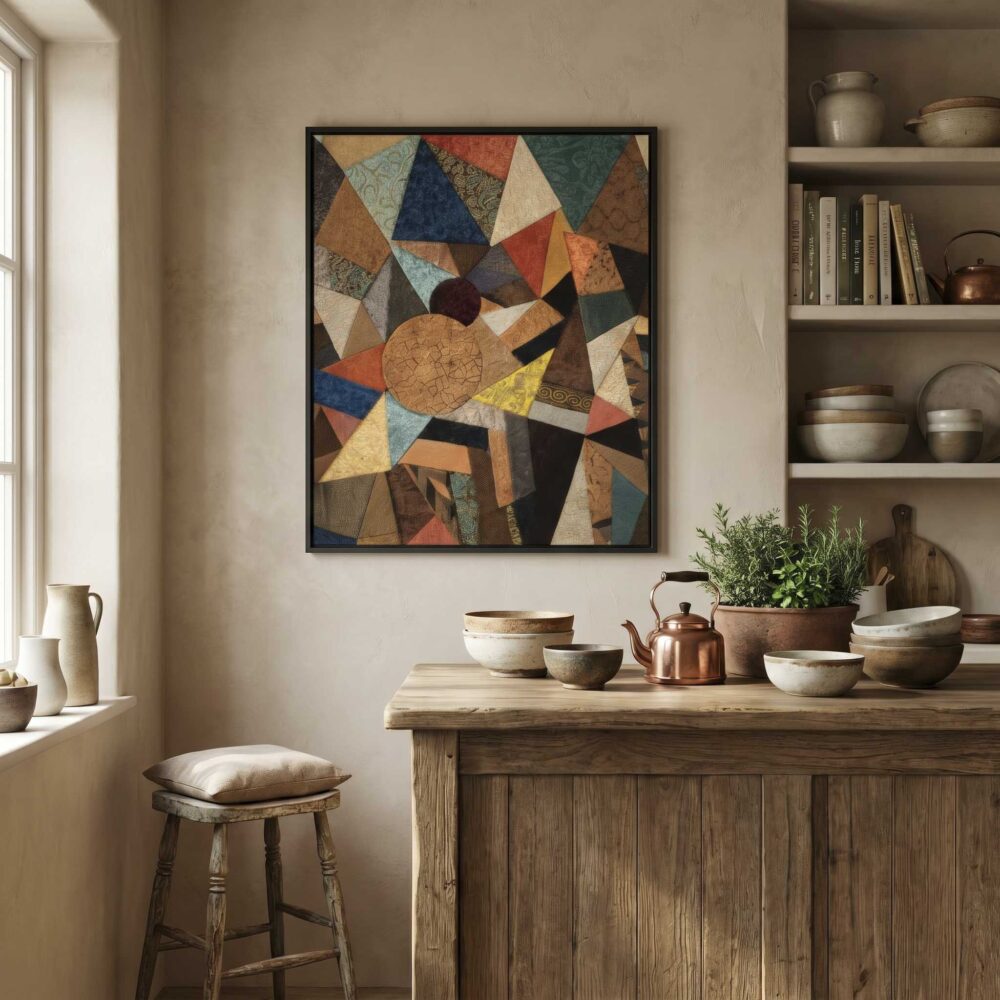
This collection is built around woven inserts previously created on the vertical loom, featuring the traditional patterns of Nule’s textile heritage. These elements are combined with other iconic Sardinian materials—such as velvet and brocade, historically used in ceremonial garments—as well as contemporary furnishing fabrics and cork. The interplay of textures and materials allows for highly personalized compositions. Each work is mounted on a panel, transforming textile fragments into sculptural wall pieces.

Suspended Wefts

This series was created to highlight one of the most overlooked phases of weaving: the preparation of the loom. Here, the warp threads are intentionally left visible, revealing the internal structure that supports the entire textile. What is usually hidden becomes the focal point—the “soul of the carpet”—exposed and framed as an artwork.

Crossed Wefts​

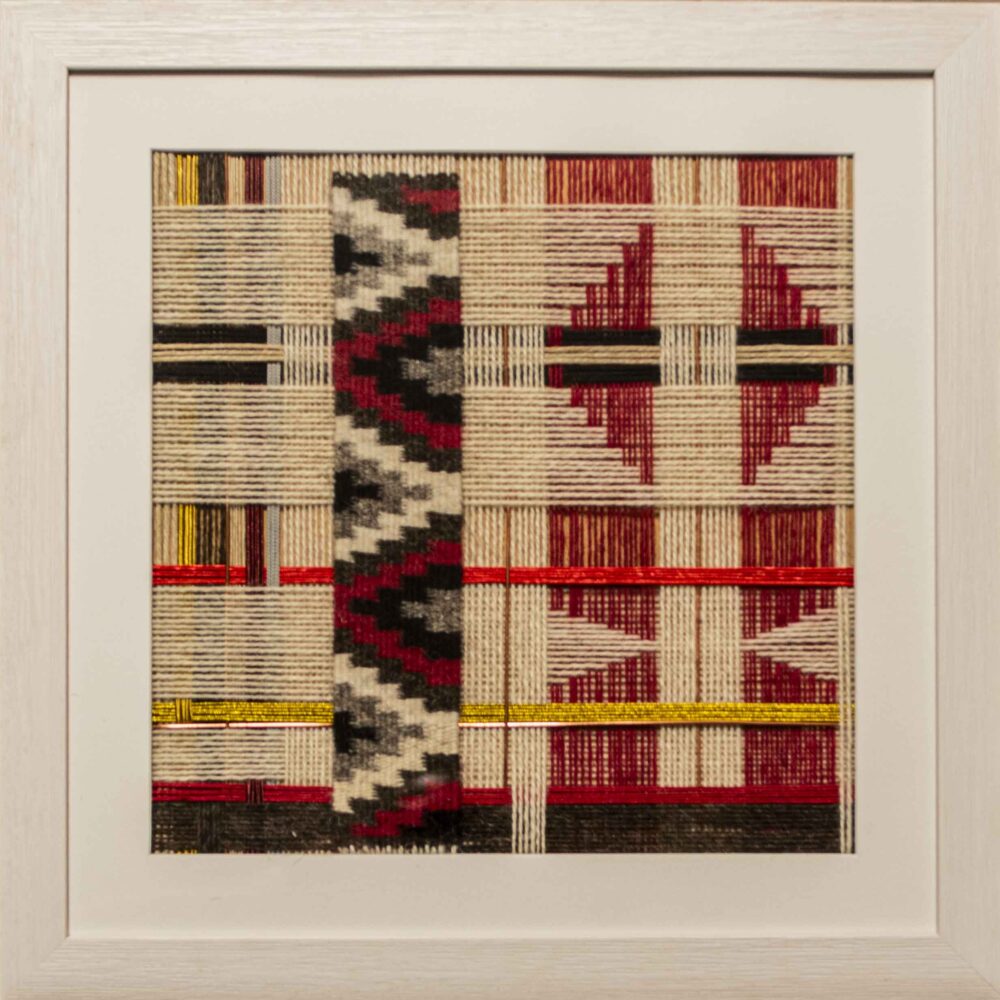
In this collection, woven inserts created on the loom intersect with additional threads that cross and overlap the surface. The result is a dynamic composition where structure and movement coexist, emphasizing the dialogue between order and experimentation within the art of vertical weaving.
Artistic projects

Ti racconto una sedia


The project “Ti racconto una sedia” (I Tell You the Story of a Chair) was born as a collective artistic exploration that selects the chair as a universal symbol. By involving various artists, each asked to design a chair based on their own personal vision, the initiative aims to recount the multiple facets and meanings this object has taken on over time.
The chair is interpreted not merely as a functional object, but as an icon charged with contrasts and history: from the solemnity of the throne to the drama of the electric chair, and down to the everyday, convivial dimension of a family meal. Within this context, the artist chose to work on an antique chair from their grandmother’s house, stripping away the original seat to rebuild a literal loom or frame upon it. On this new structure, the work was enriched through the creation of small, meticulous details, transforming an object of memory into a symbol that represents life’s various aspects, both positive and negative.

You might also like

Rebelles

Rebelles is a woodworking studio specialized in contemporary interior design furniture and objects that integrate light and textiles.

Read More »